Laser District

Management of Skin Pigmentation

Fade dark spots, sun damage and uneven patches with a personalised pigmentation plan designed for your skin type.

What Is Skin Pigmentation?

Skin pigmentation is the colour of your skin, created by a pigment called melanin. When some areas produce more melanin than others, dark spots and uneven patches appear. This is known as hyperpigmentation, and it’s one of the most common skin concerns we see.

Pigmentation comes in several forms. Sun spots develop after years of UV exposure, melasma often appears as larger patches linked to hormones, heat and sun, and post-inflammatory marks are left behind after breakouts, irritation or injury. Each type behaves differently, which is why the right approach depends on what’s causing your pigmentation.

At Laser and Skin District, managing skin pigmentation starts with a careful skin assessment. We identify the type of pigmentation you have, then build a plan to gradually fade existing marks and help prevent new ones from forming.

Skin Pigmentation Treatment in Kellyville, Tailored to Your Skin

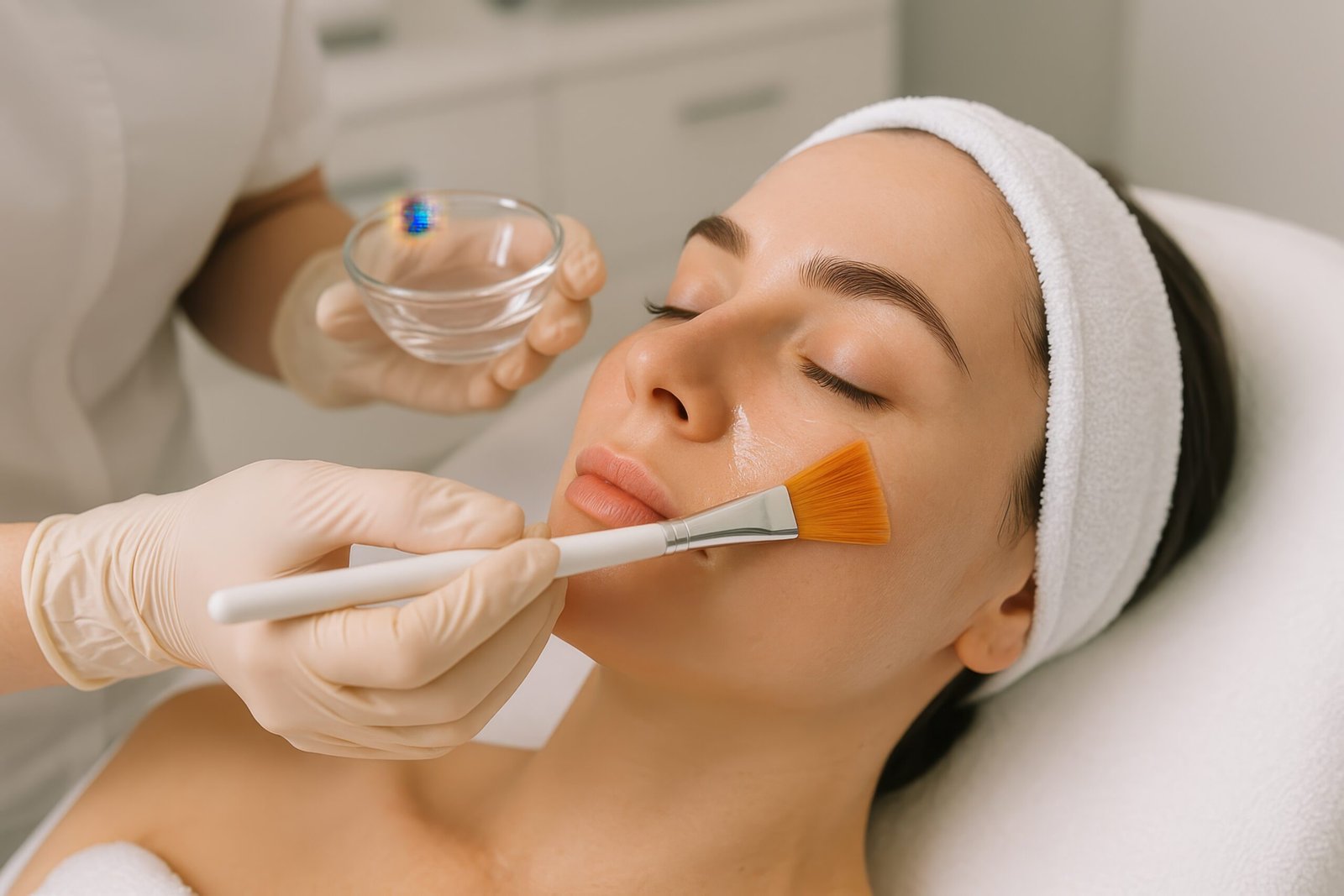
There’s no single treatment that works for every type of pigmentation. Depending on your skin, your plan may combine in-clinic treatments such as chemical peels to lift surface pigment, skin needling to support skin renewal, and targeted skincare with ingredients that help even out tone over time. Just as important is daily sun protection, because UV exposure is the biggest trigger for new pigmentation. We choose treatments carefully for each skin type, as some methods can make pigmentation worse if they aren’t suited to your skin. If a spot is new, changing or looks unusual, we’ll ask you to have it checked by your GP first.

Benefits of Skin Pigmentation Treatment

With the right plan and consistent sun protection, pigmentation can improve significantly. Here’s what treatment can help with.

Chemical peel treatment

More even tone

Helps reduce patchiness for a smoother, more uniform complexion.

Chemical peel treatment

Faded dark spots

Gradually lightens sun spots and areas of sun damage.
Skin Pigmentation

Fewer post-acne marks

Helps fade the dark marks that linger after breakouts heal.

Skin Rejuvenation

Brighter complexion

Removes dull, pigmented surface cells to reveal fresher-looking skin.

Chemical peel treatment

Suited to your skin tone

Treatments are chosen carefully for your skin type to reduce the risk of irritation.

Chemical peel treatment

A prevention plan

Clear advice on sun protection and skincare to help stop new pigmentation forming.

EXPLORE RELATED TREATMENTS

Chemical peels work well on their own, but many skin concerns respond best to a combined approach. If one of these sounds like you, explore the treatment that can take your results further.

Skin Pigmentation often comes with other concerns, such as breakouts, dullness or signs of sun damage. If one of these sounds like you, explore the treatment that can take your results further.

Treatments That Pair Well With Skin Pigmentation Management

My marks come from breakouts...

Fading marks works best when new breakouts are under control. Our acne management plans help stop the cycle at the source.

A chemical peel removes dull, pigmented surface layers to reveal a brighter, more even complexion.

Skin needling stimulates collagen to improve texture and support overall skin renewal.

Skin rejuvenation treatments help restore radiance and a firmer, fresher look to sun-exposed skin.

See all our facial treatments for skin issues side by side and find the one that suits your concern.

What to Expect From Your Skin Pigmentation Treatment

Chemical peel treatment

Your treatment starts with a consultation, where we examine your pigmentation, ask about your sun exposure, skincare and any hormonal factors, and identify the type of pigmentation you have. We then recommend a personalised plan, including your in-clinic treatments, how often you'll need them, and a home care routine to support your results. Pigmentation fades gradually, so most plans run over several sessions, and results build over weeks to months. Your skin may look slightly red or feel sensitive after treatment, which usually settles quickly. Wearing a broad-spectrum SPF 50+ every day is essential, both to protect your results and to help prevent new pigmentation from forming.

Skin Pigmentation: FAQs

Have questions before your visit? Here are the answers to the questions our clients ask most about facial treatments for skin issues. If you don’t see yours here, get in touch or bring it to your appointment, and we’ll happily talk it through.

Pigmentation can be confusing, especially when it keeps coming back. Here are the questions we’re asked most. If yours isn’t covered, we’re happy to talk it through at your appointment.

What causes skin pigmentation?

The most common causes are sun exposure, hormonal changes, and inflammation from breakouts or skin injury. Heat, certain medications and genetics can also play a part. Identifying the cause helps us choose the right treatment.

Sun spots and post-acne marks can often fade significantly with the right treatment. Melasma is different: it can be improved and managed, but it tends to return, especially with sun or heat exposure, so ongoing care is important.


Pigmentation fades gradually. Many people notice a difference within a few sessions, with results continuing to build over several weeks to months.


Yes, with the right approach. Darker skin tones are more prone to pigmentation from irritation, so we choose gentler, carefully selected treatments and adjust the strength to your skin.

UV exposure is the biggest trigger for pigmentation. Without daily sun protection, existing marks can darken and new ones can form, undoing the progress from your treatments.

We are here to help you.

At Laser and Skin District, we don’t just treat skin — we treat people. And every person deserves to feel beautiful in their own skin.